Everything You Need to Know About Advanced Termite Control Services
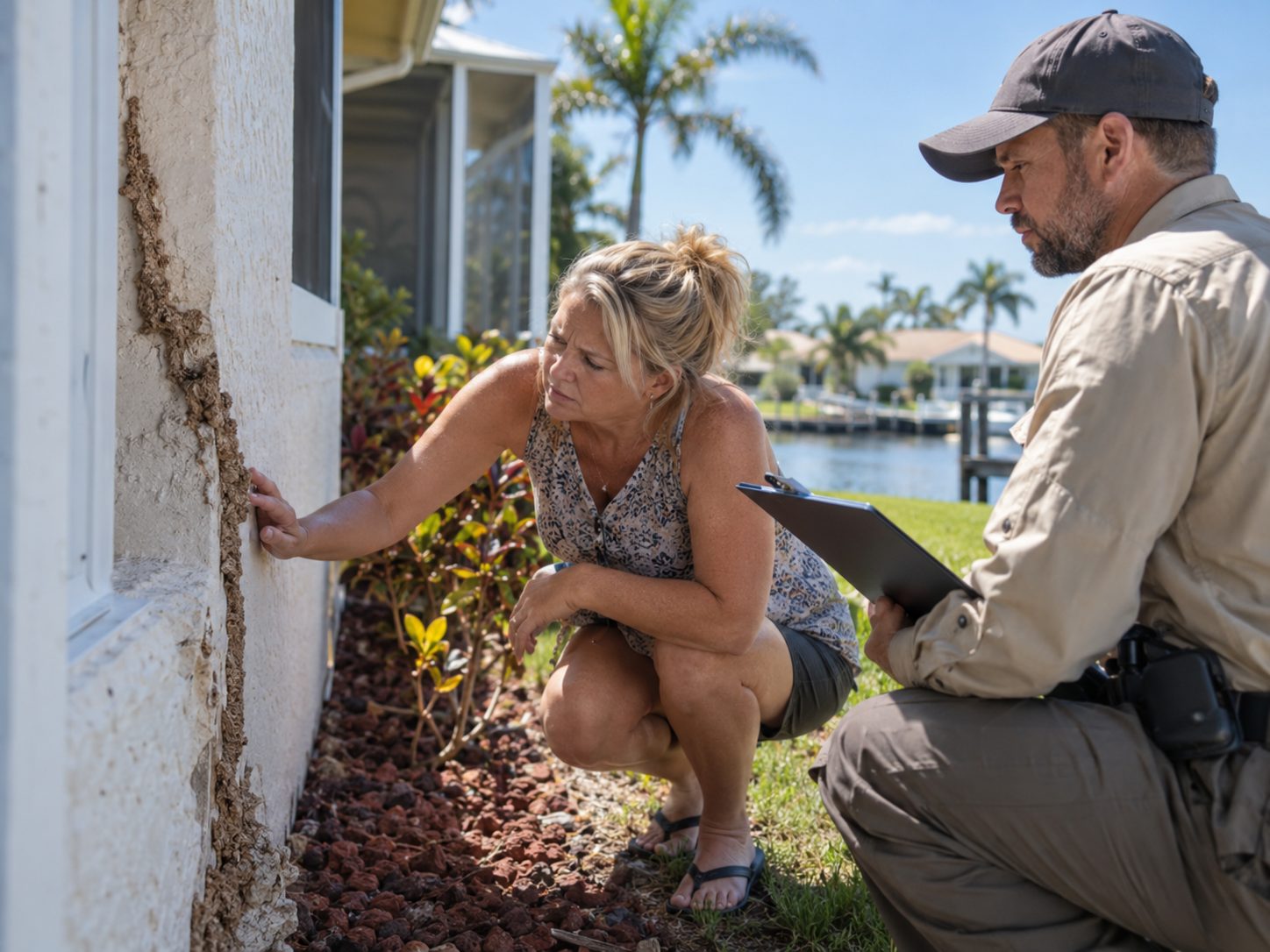
Termites rarely announce themselves in a dramatic way. Most infestations begin quietly, behind drywall, under flooring, inside sill plates, or along foundation joints where nobody looks until something feels wrong. A door starts sticking. Paint bubbles for no obvious reason. A baseboard sounds hollow when tapped. By the time a homeowner sees a winged swarmer at a window, there is often already a well established colony nearby.
That gap between visible signs and real damage is exactly why advanced termite control services matter. Basic spray treatments and one time visits can help in limited situations, but modern termite work is far more nuanced than many property owners realize. The best service is not just about killing termites on contact. It is about identifying the species, understanding how they are entering, measuring the risk to the structure, choosing the right treatment method, and building a monitoring plan that holds up over time.
If you own a home, manage rental properties, oversee commercial buildings, or are preparing a real estate transaction, it helps to understand what separates a routine pest visit from a true termite strategy. The difference can affect cost, effectiveness, repair exposure, and long term peace of mind.
Why advanced termite work is different
Termites are not all the same, and treating them as if they are leads to expensive mistakes. In many parts of the United States, subterranean termites are the primary concern. They live in the soil, need moisture, and travel through mud tubes to reach wood. Drywood termites behave differently. They can live directly inside wood and do not require the same soil connection. Dampwood termites are less common in many markets but can appear in persistently wet structural wood.
An advanced termite control service starts with that distinction, because the treatment plan for subterranean termites is not the same plan used for drywood activity in roof framing or trim.
There is also the issue of building complexity. Older homes with additions, converted garages, crawl spaces, previous slab penetrations, hidden foam insulation, or extensive landscaping are harder to inspect and harder to protect. I have seen homes where a prior treatment technically covered the main foundation, yet termites still found a path through an unsealed plumbing chase beneath a bathroom remodel. On paper, the home had been treated. In practice, it had a gap.
Advanced service accounts for those realities. It goes beyond surface evidence and asks a more useful set of questions. Where are termites coming from? What construction features make this structure vulnerable? Has prior treatment been interrupted by trenching, hardscaping, grading changes, or foundation repairs? Is there active feeding, or are we seeing old damage from years back? Those details determine whether a property needs localized treatment, a full perimeter termiticide application, a baiting program, direct wood treatment, or some combination of methods.
The inspection is where good termite control begins
The quality of the inspection often predicts the quality of the outcome. A rushed inspection can miss the exact conditions that allow termites to survive treatment or return soon after it.
A thorough termite inspection usually includes accessible interior rooms, garages, attics where practical, crawl spaces, exterior foundation lines, porches, decks, expansion joints, utility penetrations, and areas with chronic moisture. Inspectors are looking for direct evidence such as mud tubes, live insects, swarm evidence, frass in the case of drywood termites, and damaged wood. They are also looking for conducive conditions: earth to wood contact, leaking hose bibs, poor drainage, dense mulch against siding, rotted trim, and blocked crawl space ventilation.
Moisture meters, probing tools, sounding techniques, and detailed notes matter here. In advanced cases, the inspector may document inaccessible areas that limit certainty. That is not evasiveness. It is professionalism. No credible termite specialist should pretend they can fully evaluate what they cannot physically access.
One of the most useful things a good inspector provides is context. Finding termite damage does not always mean there is an active infestation. Likewise, not seeing live termites at the moment of inspection does not guarantee safety. Termite evidence has to be interpreted alongside construction details, risk factors, and the pattern of damage.
What inspectors often find that owners overlook
A surprising amount of termite vulnerability comes from ordinary maintenance issues. A stack of firewood against an exterior wall, a flower bed built above slab level, sprinklers soaking the same foundation corner every morning, or cellulose debris left in a crawl space after a renovation can all increase risk. These are not dramatic defects, but they are common enough to matter.
I once walked a property where the owner was focused on a stained ceiling, convinced that roof leaks had caused every problem. The larger issue was underneath. A crawl space access hatch had been left open for months after duct work, humidity had stayed high, and subterranean termites had moved into softened subfloor framing near a plumbing line. The ceiling stain got attention. The structure underneath told the real story.
The main types of advanced termite treatment
No single treatment is right for every building. Strong termite control services are tailored to the infestation and the structure rather than forced into a one size fits all package.
Liquid soil treatments
For subterranean termites, liquid termiticides remain one of the most effective tools available when applied correctly. The goal is to create a continuous treated zone in the soil where termites travel. Depending on the product label and site conditions, technicians may trench soil around the foundation, treat backfill, and drill through slabs, patios, garages, or masonry to reach soil along critical points.
What matters most is continuity. If the treated zone is broken by an untreated section, that gap can become the path termites use. This is why experience matters. Treating around stoops, attached slabs, bath traps, cold joints, and utility entry points requires judgment and attention to detail.
Some modern nonrepellent termiticides allow termites to move through treated areas without immediately detecting the chemical. That helps spread exposure within the colony. It does not mean every treatment eliminates every termite instantly, but it can provide excellent structural protection when installed properly.
Baiting systems
Bait systems work differently. Instead of creating a continuous liquid barrier, stations are installed in the soil around the structure and checked on a schedule. When termites begin feeding in the stations, bait is introduced or activated, depending on the system. The termites carry the active ingredient back into the colony, where it gradually affects workers and colony function.
Baiting can be a strong option where trenching and drilling are limited, where minimal chemical volume is preferred, or as part of a long term monitoring program. It is also useful on properties with complicated foundations, wells, drains, radiant heat concerns, or environmental sensitivities that make liquid treatment less straightforward.
That said, baiting demands consistency. A neglected bait system is not a protective strategy. Stations have to be inspected, maintained, and interpreted by someone who understands termite pressure and seasonal activity. The service agreement matters as much as the initial installation.
Wood treatments and void applications
When termites are actively feeding in specific structural members or wall voids, direct treatment may be added to the plan. This can include foam applications into wall voids, borate treatments to exposed raw wood, or targeted applications in infested framing.
These methods are especially useful as supplemental measures. On their own, they are rarely enough for a subterranean termite problem if the colony still has unrestricted access from the soil. But they can stop localized feeding, protect vulnerable wood, and support a broader system.
Fumigation and drywood termite protocols
When drywood termites are widespread in a structure, spot treatment may not be enough. Localized injections can work for isolated activity when the infestation is clearly defined, but drywood colonies are often hidden in multiple areas. In those cases, whole structure fumigation may be the most reliable option.
Fumigation is highly specialized. It requires planning, strict safety protocols, tenting, temporary vacancy, and follow up sealing recommendations. It does not leave behind a residual barrier the way some other treatments do, so post treatment prevention still matters.
What “advanced” really means in Termite Control Services
The phrase can sound like marketing, but there are concrete features that usually separate advanced termite control services from more basic offerings.
- Detailed inspection with diagrams, photos, and documentation of active evidence, old damage, and conducive conditions
- Species specific treatment planning rather than generic spraying
- Integration of liquid treatment, baiting, monitoring, and corrective recommendations where needed
- Technicians trained to treat complex construction features, not just open soil lines
- Ongoing follow up with clear warranty terms and retreatment conditions
If a company cannot explain why it recommends one treatment over another, or if every home gets the same plan regardless of design and infestation history, that is a warning sign.
How long termite treatments last
This is one of the most misunderstood parts of the business. Homeowners often want a simple number, but the honest answer depends on product type, soil conditions, building changes, and service follow through.
A properly installed liquid treatment can provide years of protection, but that does not mean the property can be ignored. Landscaping changes, excavation, plumbing repairs, new patios, grading work, and additions can disrupt treated zones. Even small projects can create untreated paths if no one accounts for them.
Bait systems are only as durable as their maintenance schedule. Their strength lies in monitoring and adaptation over time, not in a one time application. Annual renewal or service continuity is not a sales gimmick when the system depends on inspection and upkeep.
Wood treatments can last a long time in protected, unfinished wood when conditions remain stable, especially borate based applications. But exposed weathering, sealed surfaces, or inaccessible hidden infestations can limit their reach.
The practical takeaway is that termite control is not a set it and forget it category. The treatment may last, but the building changes, the landscape changes, and moisture patterns change with them.
Cost, value, and what drives the price
Termite work can range from a few hundred dollars for a small localized issue to several thousand for comprehensive treatment of a large or complex structure. Fumigation, full perimeter liquid treatments with extensive drilling, and large commercial monitoring systems can cost more.
Price is usually driven by the size of the structure, foundation design, accessibility, infestation extent, treatment type, and the amount of labor required. A house with open soil around a simple slab is faster to treat than a house with attached patios, finished basements, multiple slab sections, and limited access points. The second house may require more drilling, more time, more material, and a more experienced crew.
The cheapest bid is often cheap for a reason. Sometimes the scope is incomplete. Sometimes follow up is limited. Sometimes the proposal excludes critical sections that the owner assumes are included. Good termite companies are usually very specific about what will be treated, what cannot be treated, and what preparation is required.
This is also where repairs come into play. The treatment bill may be manageable, but structural repairs can become the larger expense if termite damage is advanced. Sistering floor joists, replacing sill plates, rebuilding trim, repairing subfloor, or correcting moisture related decay can quickly outpace the pest control invoice.
Repair work and pest control need to talk to each other
One common problem is treating the pest issue and the building issue as separate worlds. They are not. If a contractor replaces damaged wood without understanding how termites entered, the new material may be at risk. If a pest company treats around the structure but moisture problems are left untouched, conditions remain favorable for reinfestation.
The best outcomes usually involve coordination. That can mean a termite specialist documenting active zones before demolition, a contractor exposing concealed damage safely, and both parties agreeing on when treatment should occur in relation to repair. In crawl spaces, for example, it often helps to treat first, then repair, then address drainage and vapor barriers. Sequence matters.
Questions worth asking before you hire a company
A polished proposal is not enough. You need to know how the company thinks.
- What species are you treating for, and what evidence supports that diagnosis?
- Why are you recommending this treatment instead of the alternatives?
- Which areas are inaccessible or excluded, and how does that affect confidence?
- What happens if future construction disturbs the treatment zone or stations?
- What does the warranty cover, and what does it not cover?
You will learn a lot from how clearly those questions are answered. Competent professionals do not need to oversell. They can explain risk, uncertainty, limitations, and expected results without dodging specifics.
Warning signs that deserve immediate attention
Some termite clues are subtle, but a few justify quick action. Swarmers Termite Control Services indoors, fresh mud tubes climbing foundation walls, blistered wood that breaks open easily, and piles of pellet like frass near trim or windows are not things to put off until next season. The same goes for repeated moisture issues in crawl spaces or around baseboards, especially in warmer months when termite pressure tends to become more visible.
If you are buying or selling a property, timing matters even more. Delays can disrupt financing, negotiations, and closing schedules. A fast inspection is useful, but a fast and shallow inspection can create trouble later. Real estate deadlines do not change termite biology.
Prevention still carries real weight
Advanced termite control services are powerful, but prevention lowers the odds that you will need major intervention in the first place. Most prevention is not glamorous. It is basic building stewardship done consistently.
Keep wood siding, trim, and framing from contacting soil. Manage moisture around the foundation. Repair leaks quickly. Avoid piling mulch too deep against exterior walls. Store firewood away from the house. Keep crawl spaces dry and clean. If a property has a history of termites, monitor it with the seriousness you would give to a roof with a prior leak.
That kind of discipline does not replace professional treatment where termites are active, but it makes any treatment more effective and the structure less inviting.
The role of warranties and annual inspections
Many termite contracts include a renewable warranty. Some cover retreatment only. Others may include a repair guarantee, often with conditions, caps, exclusions, and documentation requirements. Owners should read these terms carefully rather than assuming all termite warranties are the same.
Annual inspections are not just paperwork. A lot can change in a year. New cracks may appear. Soil may be disturbed. Moisture conditions can worsen. Landscaping can bury weep screeds or bridge termite shields. Early discovery is cheaper than waiting for visible structural damage.
For commercial properties and multifamily housing, documentation becomes even more important. Inspection records, treatment maps, and service histories help with risk management, budgeting, and accountability across ownership or management changes.
When advanced service is especially important
Not every property requires the most intensive intervention, but some situations justify a higher level of scrutiny from the start. Homes with prior termite history, older buildings with additions, slab homes with multiple expansion joints, structures near heavy moisture sources, and properties with inaccessible structural voids all deserve careful planning.
The same is true when damage has already been found. At that point, you are no longer dealing with simple prevention. You are trying to stop active pressure, assess the extent of structural involvement, and keep hidden areas from becoming the next surprise.
A small infestation caught early can often be handled cleanly and efficiently. A missed infestation hidden behind finishes can become the kind of project that changes renovation plans, insurance conversations, and resale disclosures.
Choosing the right level of response
The best termite plan is not necessarily the most expensive one. It is the one that fits the species, the site, the building, and the owner’s tolerance for risk. Sometimes that means a full liquid treatment because the structure demands complete coverage. Sometimes it means a baiting and monitoring strategy because the site makes liquid work less practical. Sometimes it means fumigation because spot treatment would leave too much uncertainty.
What matters is that the recommendation reflects the reality of the structure rather than a sales script.
Termites exploit weak points, hidden moisture, and human delay. Advanced termite control services exist because those weak points are rarely obvious at first glance. Good providers know how to find them, treat them, and explain them in plain language. That combination of technical skill and practical judgment is what protects buildings over the long haul.
For property owners, the smartest move is not panic and not procrastination. It is getting a careful inspection, asking hard questions, and choosing a service plan built for the actual problem in front of you.
Maximum Pest Control
836 NE 7th Terrace Suite #5
Cape Coral, FL 33909
+1 239-772-7363
FAQ About Termite Control Services
What are two signs of a termite infestation?
Mud tubes along a foundation and piles of shed wings near doors or windows are two signs to investigate. Mud tubes are associated with subterranean termites. A licensed inspector can identify the insect and assess whether there is active infestation.
How many years does a termite treatment last?
There is no single timeline for all treatments. The method, site conditions, and maintenance affect how long protection lasts. Bait systems rely on monitoring and service. Ask the provider for the recommended inspection schedule and the terms of any coverage.
Is Termite Treatment Expensive in Cape Coral?
Cost depends on the termite species, the size and construction of the property, the extent of activity, and the treatment method. Request a written estimate after inspection and ask whether monitoring, follow-up visits, and renewals are included.